As temperatures climb in Westchester County, making sure your cooling system is ready isn’t just about comfort—it’s about reliability, efficiency, and avoiding costly breakdowns. This Port Chester Preventive HVAC Guide outlines the steps homeowners and property managers can take to prepare their systems for warmer months. From a spring AC inspection to summer AC readiness, you’ll find practical advice, a seasonal HVAC checklist, and pointers on when to call the pros for HVAC tune-up services.
Preparing early: Why spring matters most Spring is the ideal time to address AC maintenance in Port Chester, NY. After months of disuse, your system needs a thorough check to ensure it can handle prolonged summer demand. A proactive approach to HVAC preventive maintenance improves indoor comfort, reduces energy bills, extends equipment life, and minimizes the risk of mid-season repairs when technicians are busier and response times are longer.
Core components of a spring AC inspection A comprehensive spring AC inspection goes beyond a quick on/off test. Here are the essential elements to focus on:
- Thermostat calibration and settings: Verify your thermostat reads accurately and is set for cooling. Consider upgrading to a smart thermostat to enhance energy-efficient AC care and scheduling. Electrical and safety checks: Inspect wiring, capacitors, relays, and connections for wear or heat damage. Tighten terminals, test capacitors, and ensure safety controls operate correctly. Refrigerant levels and leaks: Low refrigerant reduces efficiency and can cause coil icing. A licensed technician should check charge levels, inspect for leaks, and correct any issues to protect your compressor. Airflow and ductwork: Measure static pressure and inspect for obstructions, leaks, or damaged ducts. Proper airflow ensures uniform cooling and lowers energy consumption. Drainage and condensate line: A clogged drain can lead to water damage and mold. Clear the condensate line, verify traps and pumps work, and add algaecide tabs if appropriate. Air filter replacement: Replace disposable filters or clean reusable ones. In peak season, plan to change filters every 30–60 days depending on usage, pets, and indoor air quality needs. Condenser coil cleaning: Outdoor coils accumulate dust, pollen, and grime, which impede heat transfer. Gentle rinsing and fin-straightening can dramatically improve system performance.
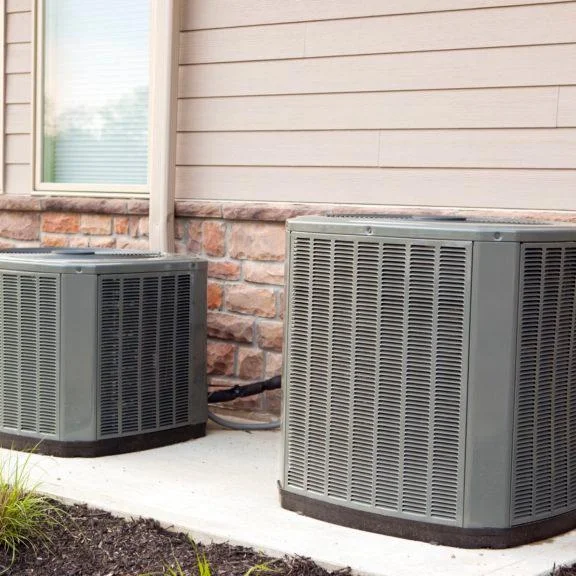
The outdoor unit: First line of summer defense Port Chester can see heavy pollen and coastal moisture that stress outdoor equipment. Effective Port Chester AC upkeep should include:
- Clearances: Maintain at least 18–24 inches of clearance around the condenser. Trim shrubs, remove leaves, and ensure nothing blocks exhaust airflow. Level and secure base: A tilted pad can strain refrigerant lines and fan bearings. Confirm the unit sits level and vibration is minimal. Fan and motor checks: Inspect the fan blade for cracks and ensure the motor spins freely without grinding or squealing. Lubricate if the design allows.
Indoor system essentials for energy-efficient AC care Improving indoor performance is just as critical:
- Return and supply vents: Keep vents open and unblocked. Closed vents can increase static pressure and reduce overall efficiency. Blower assembly cleaning: Dust on blower wheels lowers airflow. Have a technician clean the assembly for optimal CFM and quieter operation. Evaporator coil inspection: If accessible, a tech should inspect the coil for dirt and microbial growth. Clean coils reduce energy consumption and improve comfort. Sealing and insulation: Insulate refrigerant lines and seal duct leaks, especially in attics or crawlspaces, to prevent cooled air losses.
When to schedule HVAC tune-up services Aim to book HVAC tune-up services in late winter or early spring to beat the rush. A professional tune-up typically includes:
- Full system performance testing and temperature split verification Refrigerant charge confirmation and leak detection Electrical testing, amp draws, and capacitor health checks Condenser coil cleaning and evaporator inspection Air filter replacement and thermostat calibration Condensate drain and safety switch testing
Benefits include improved reliability during heat waves, better humidity control, lower operating costs, and extended equipment life—key outcomes for HVAC preventive maintenance.
Creating your seasonal HVAC checklist Use this seasonal HVAC checklist to streamline Port Chester AC upkeep:
- Monthly/bi-monthly: Air filter replacement or cleaning Visual check of outdoor unit for debris and clearance Spring (pre-summer): Schedule professional spring AC inspection Condenser coil cleaning and evaporator check Test thermostat and update schedules for cooling season Inspect and clear condensate line and pan Verify duct integrity and seal obvious leaks Summer: Monitor system run times and indoor humidity Keep blinds/curtains drawn during peak sun to reduce load Listen for unusual noises; address promptly Post-heat season: Note any performance issues to discuss at the next tune-up Clean the outdoor unit and restore protective covers if used off-season
Energy-saving tips for summer AC readiness
- Set reasonable temperatures: Each degree below 75–76°F can raise energy use by 3–5%. Find your comfort threshold and avoid unnecessary setpoint swings. Use programmable schedules: Automate slight setbacks when you are away, but avoid extreme setbacks that force long recovery times. Seal and shade: Weatherstrip doors, caulk windows, and install shading on west-facing windows to lower cooling load. Ceiling fans: They don’t cool the air but improve perceived comfort, allowing a higher thermostat setting. Zoning and dampers: If your system supports zoning, confirm dampers move freely to prevent hot spots and wasted energy.
Common signs your AC needs attention
- Warm air or weak airflow from vents Short cycling or excessively long run times Unusual noises: rattling, buzzing, squealing Musty odors or visible moisture around the air handler Higher-than-normal bills without a change in weather or usage
If you observe these, schedule HVAC tune-up services promptly to prevent escalation.
Why local expertise matters in Port Chester Port Chester’s coastal influences, older housing stock, and variable spring allergens present unique challenges. Local professionals familiar with the area can tailor AC maintenance in Port Chester, NY, to address salt-air corrosion risks, heavy pollen affecting condenser coil cleaning needs, and mixed duct systems https://pmmechanicalny.com/indoor-air-quality/ common in renovations. Choosing a provider experienced with these regional nuances helps ensure a more reliable and energy-efficient AC care plan.
Pro tip: Pair maintenance with indoor air quality improvements If allergies or asthma are a concern, discuss higher MERV-rated filters, UV lights for coil sanitation, or a dedicated dehumidifier. Just remember that higher filtration can reduce airflow; a professional should verify your blower and ductwork can handle the added resistance.
The bottom line Early preparation is the smartest strategy for summer AC readiness. A thorough spring AC inspection, consistent air filter replacement, routine condenser coil cleaning, and a well-organized seasonal HVAC checklist are the cornerstones of reliable, efficient cooling. With thoughtful HVAC preventive maintenance and timely HVAC tune-up services, your Port Chester home can stay comfortable and cost-effective all summer long.
Questions and Answers

Q1: How often should I replace my AC filter during summer? A1: In most Port Chester homes, replace it every 30–60 days in summer. Homes with pets, smokers, or allergies may need replacement every 30 days for optimal airflow and air quality.
Q2: Can I clean the condenser coil myself? A2: Yes, light cleaning is possible. Shut off power, remove surface debris, and gently rinse from the inside out using a garden hose. Avoid high pressure and harsh chemicals. For heavy buildup, schedule professional condenser coil cleaning.
Q3: What temperature should I set for the best balance of comfort and efficiency? A3: Start around 75–76°F when occupied and adjust to preference. Use small setbacks (3–4°F) when away to maintain energy-efficient AC care without stressing the system.
Q4: Do I need a professional spring AC inspection every year? A4: Annual inspections are recommended. They catch issues early—like low refrigerant or failing capacitors—that homeowners often can’t detect. This is a core part of HVAC preventive maintenance and Port Chester AC upkeep.
Q5: What’s the biggest cause of mid-summer breakdowns? A5: Neglected maintenance—especially dirty filters, clogged condensate lines, and fouled coils. Regular air filter replacement and seasonal HVAC checklist tasks significantly reduce emergency calls.